Author: Jasmine G

  • Best Ways to Pay for Home Care in New York

    Best Ways to Pay for Home Care in New York

    Many seniors need help at home as they grow older. Paying for home care can be hard. The best ways to pay for home care depend on the person’s needs. In New York, care costs are often very high. Families feel pressure because of these rising home care costs for the elderly.

    Some use private money while others need insurance. Moreover, many ask if Medicare home helper options are enough. In truth, support comes from different sources. That is why it is important to know all the choices. This guide will explain smart and trusted payment options. We aim to help families plan with care and ease.

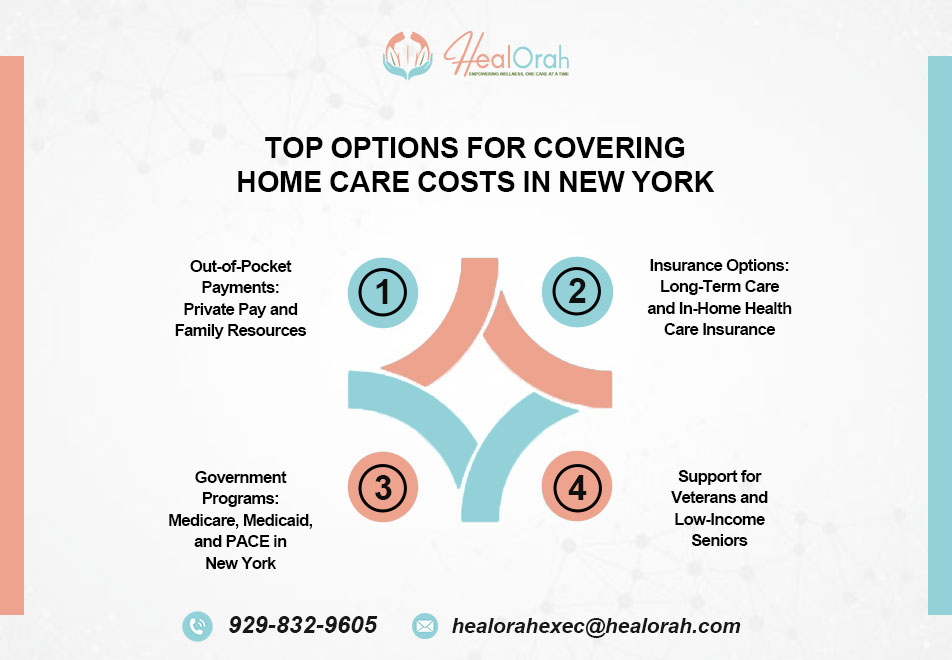
    Out-of-Pocket Payments: Private Pay and Family Resources

    Many families use their own money to pay for home care services. This is called private pay. They may use savings, monthly income, and retirement money. Some people also use home equity and reverse mortgages. Moreover, this helps when fast care is needed.

    In New York, home care costs for the elderly can be $25 to $40 per hour. Families choose this when they want full control over the care. This option suits those who do not qualify for Medicaid and Medicare. It offers flexibility and quick access to trusted care.

    Long-Term Care and In-Home Health Care Insurance

    Long-term care insurance helps pay for care when a person gets old and sick. It supports help at home, like bathing, dressing, and nurse visits.

    Home health care insurance also covers home services. Moreover, hybrid plans give both life and care benefits for more coverage and peace of mind.

    • Long-term care insurance covers daily care at home.
    • In-home health care insurance helps pay for nurses and helpers.
    • Hybrid plans mix life and care coverage.
    • Choose a plan based on health needs and family budget.

    Govt Programs: Medicare, Medicaid, and PACE in New York

    There are many ways to pay for in-home care. Medicare helps only with short-term care. It does not cover daily home needs. Medicaid helps more by offering MLTC, CDPAP, and CFCO services.

    These give free and low-cost home care. Moreover, the PACE program supports full care for elderly people at home and helps reduce the overall cost of in-home care.

    • Medicare covers limited short-term skilled care.
    • Medicaid supports long-term home care options
    • PACE offers full care for the elderly at home

    Support for Veterans and Low-Income Seniors

    Many veterans and low-income seniors in New York can get help paying for care. They may qualify for VA Aid and Attendance and Housebound benefits, which give extra monthly money for in-home help. Moreover, some nonprofits and grants support seniors who cannot pay the full costs.

    These programs often work with home care agencies that New York families trust. To apply, seniors must meet income, health, and age rules. Because the process includes forms and proof, it may take time. Still, this support can ease the cost and give better care at home.

    Comparing Home Care Payment Methods: What Works Best for You?

    Choosing the best way to pay for home care can be confusing. You must know what each method offers. Compare all options before making a final choice for your loved one.

    Monthly Cost Comparison Chart

    Each option has a different cost. Medicare covers less. Medicaid helps more. Insurance offers long-term care. Private pay needs your savings.

    • Medicare covers short-term skilled care, not long-term services
    • Medicaid supports low-income seniors with full coverage
    • Private pay often costs $25–$40 per hour in New York

    Eligibility and Flexibility Checklist

    Some programs have strict rules. Others are more flexible. Pick the one that fits your family’s needs best.

    • Medicaid needs income and asset checks before approval
    • Insurance may require buying plans before old age
    • Private pay gives full choice in care services
    ways-to-pay-for-homecare-in-NY-Blog

    Pros and Cons of Each Payment Option

    Every method has good and bad sides. Compare cost, control, and coverage. Choose what brings comfort and value.

    • Medicare has limited benefits and strict time limits
    • Medicaid offers full help but has less freedom
    • Private pay gives freedom, but is often expensive

    Why Choose HealOrah for Your Home Care Planning in New York

    HealOrah is a trusted name for home care in New York. They understand every family is different, so they offer simple help that fits your needs. Moreover, they guide families to find the best ways to pay for home care. This includes options like Medicaid, insurance, and private payment.

    In addition, they help you with forms and answer your questions in easy words. Because the process can feel hard, their team makes it clear and stress-free. Speak with HealOrah to plan your home care costs wisely and make smart choices with confidence.

    Conclusion

    Planning is the smartest way to save time, money, and stress. It helps families avoid last-minute pressure when choosing care. There are many ways to pay for home care, like insurance, savings, and Medicaid. Some people also use in-home health care insurance and VA benefits.

    Because every option is different, early research helps you pick the best one. Moreover, planning gives peace of mind and better control over care choices. It is wise to speak with trusted home care agencies in New York for clear support. In short, taking early steps today means comfort, care, and fewer worries tomorrow.

    FAQS

    Does Medicare cover the cost of in-home care in New York?

    Medicare covers limited in-home services like skilled nursing or therapy, not full-time personal care. It is best for short-term recovery.

    How much does in-home care cost in New York?

    In-home care in New York costs between $25 $40 per hour. Rates vary by care type and service provider location.

    Can Medicaid help pay for elderly home care services?

    Yes, Medicaid offers MLTC and CFCO programs that support elderly home care. Eligibility depends on income and medical need requirements.

    Are there insurance plans that cover in-home care services?

    Long-term care insurance helps cover in-home health costs not paid by Medicare. Hybrid life policies may also include care benefits.

    What support is available for veterans needing home care?

    Veterans may qualify for Aid and Attendance benefits to fund in-home care. These benefits help cover caregivers and daily assistance needs.
    Reference

  • Talking to Parents About Home Care: Practical Tips for a Smooth Conversation

    Talking to Parents About Home Care: Practical Tips for a Smooth Conversation

    Talking to parents about home care is hard, but it often becomes truly necessary with age. Many elderly parents require assistance with tasks such as cooking, walking, and remembering simple daily activities. Moreover, some parents hide pain and forget to share their health changes.

    Caring for elderly parents means watching closely and offering support with love and patience. That is why early talks help prevent stress, accidents, and health problems later on. It also makes parents feel safe, heard, and supported in their changing needs every day.

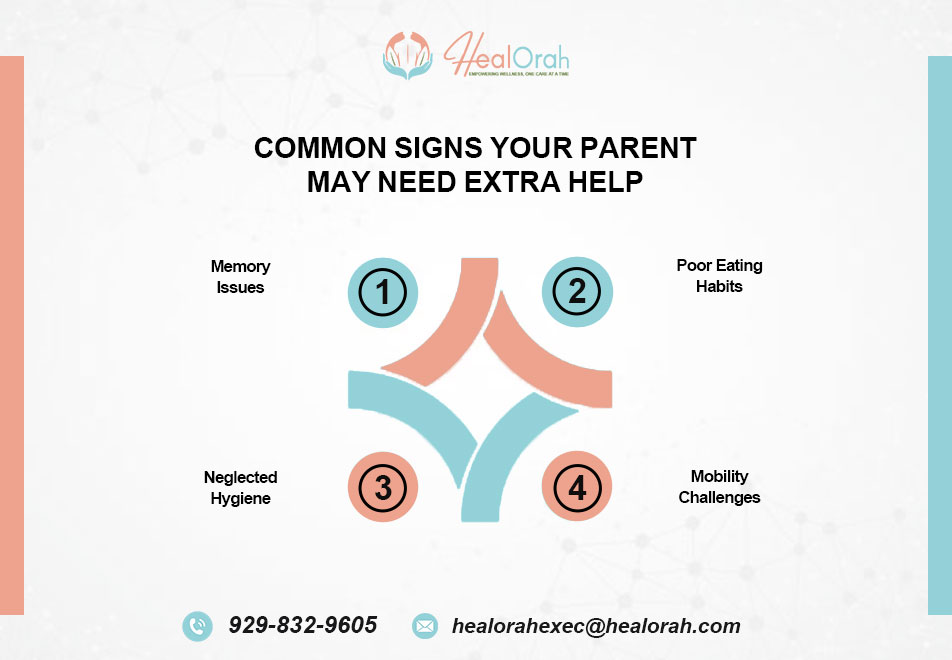
    Common Signs Your Parent May Need Extra Help

    Sometimes parents forget simple things like locking doors and turning off lights. Moreover, they may skip meals and miss their regular medicine. These are early signs that something is not okay.

    Common-Signs-Your-Parent-May-Need-Extra-Help-Blog-Post

    As a result, seeking help for aging parents is crucial. With time, their safety can become a big concern. Watch gently, and talk with love and care.

    Behavioral and Physical Clues to Watch

    You may notice memory lapses and slow walking at home. Because of this, falls and confusion become more common in daily tasks. These are strong signs your parents need a nursing home and care. So, getting help for aging parents becomes more urgent and clear.

    • Forgetting names, dates, and repeating the same story often
    • Skipping meals or eating spoiled food from the fridge
    • Unwashed clothes, messy hair, and a bad smell at home
    • Difficulty walking, using stairs, and getting out of bed.

    How to Start the Home Care Conversation with Compassion

    Talking to parents about home care takes love, care, and kind words. Choose a calm time and speak gently. Tell them I am here to support you, so they feel safe and heard.

    Moreover, listen fully without cutting them off. Let them know home care means help, not control. Start small, so they feel in charge and not afraid. This way, they feel respected and part of the choice.

    Best Practices for Sensitive Conversations

    Speak in a soft tone and give your parents time to respond. Also, use kind words that show love and support. Because emotions run high, stay calm even if they say no. Explain gently why help is needed without pressure and fear.

    • Do speak with respect, even if they disagree
    • Do give time for them time to think and respond
    • Do not rush into decisions without their input
    • Do not use guilt, fear, or force during the talk

    What If Your Elderly Parent Refuses Help?

    Many elderly parents need help, but they often say no when you offer support. They feel afraid and think they will lose control. Some believe they can still manage everything on their own. Talking to parents about home care is not always easy, but you must try.

    Use kind words and stay calm during the talk. Moreover, let them know you are only helping. This will make the talk softer and easier to accept, even if the elderly parent refuses assisted living at first.

    Tips for Managing Emotional Denial and Fear

    Some parents fear losing their space and freedom. Others worry they may look weak or useless. Offer a small care trial to see how it helps. Use shared choices so they still feel in control.

    Choosing the Right Care Solution for Your Parent

    Sometimes, in-home care is better than assisted living. It gives care with comfort. Home care feels safer, familiar, and more personal. It helps your parents stay happy in their own space.

    Moreover, getting help for aging parents early can avoid big problems. Talking to Parents About Home Care now may save stress later.

    • In-home care brings comfort and daily support.
    • Assisted living gives full-time medical help.
    • Home care lets your parents stay near family.
    • Always match care with your parents’ real needs.

    Why Choose HealOrah for Trusted Elderly Home Care

    HealOrah offers trusted elderly home care with kindness and deep understanding. Families get personalized care made just for their parents’ needs. The licensed staff work with love and full support. Moreover, the team builds strong bonds through emotional care every day.

    Their family-centered approach keeps your loved ones happy and safe. You get real help with no stress and worry. Learn more about how Heal Orah supports your family’s care journey.

    Book a consultation with HealOrah to create your personalized home care.

    Conclusion

    Talking to parents about home care is a loving and wise step for any family. Some parents may feel afraid and unsure, so speak with care and patience. Moreover, listen deeply and allow them to share their feelings without judgment. Because every parent is different, give time and space for trust to grow.

    HealOrah offers gentle, trusted help that supports families through every stage. Their team understands what aging parents truly need. Choosing help early makes the journey easier and more peaceful. So, begin the talk with love and honesty. Talking to parents about home care can build comfort, care, and lasting support.

    FAQS

    How do I start talking to parents about home care?

    Begin with love and concern, not fear. Use gentle language and express how care can support their independence.

    What signs show that my elderly parent needs help at home?

    Look for falls, confusion, and neglected hygiene. These often suggest that daily tasks are becoming harder without support.

    What if my parents refuse assisted living or home care?

    Respect their wishes and offer trial care. Involve a doctor and a counselor if trust needs reinforcement.

    When is the right time to consider getting help for aging parents?

    When safety, memory, and mobility decline, do not wait. Early care ensures better comfort and less family stress.

    Why choose HealOrah for elderly home care?

    HealOrah gives expert, compassionate help tailored to family needs. Their care supports dignity, trust, and daily comfort.

    Reference

  • Summer Safety Tips for Seniors at home: Stay Cool, Healthy, and Protected

    Summer Safety Tips for Seniors at home: Stay Cool, Healthy, and Protected

    Hot weather can be very dangerous for older people at home. Many seniors do not feel thirsty and warm until it is too late. Because of this, they may face heat stroke and exhaustion. These problems can make them feel sick, weak, and even faint.

    Moreover, some may feel hot and cold suddenly, which is a warning sign. This guide shares simple ways to stay cool and safe. It covers drinking water, light clothes, and signs of heat illness. With the right steps, you can enjoy summer. These summer safety tips for seniors will help you stay healthy and protected every day.

    Why Summer Poses Serious Risks for Seniors

    Seniors face more heat problems than young people. Their bodies do not cool fast. Symptoms of heat stroke in the elderly include red skin and a fast heartbeat.

    Symptoms of heat exhaustion in the elderly show with sweating and weakness. That is why safety tips for seniors in the summer matter. CDC and NIA warn about heat risks.

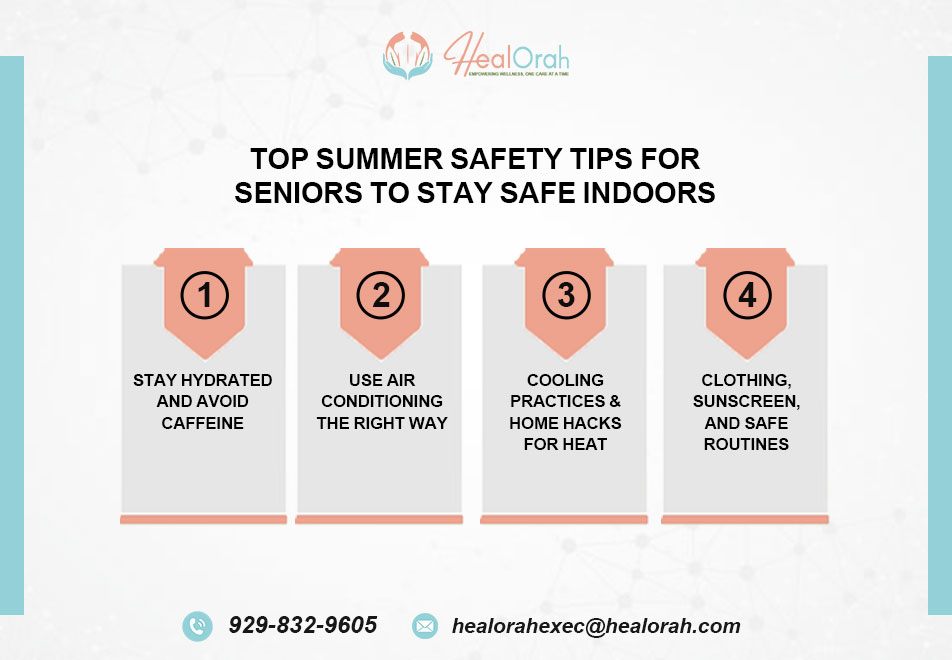
    Top Summer Safety Tips for Seniors to Stay Safe Indoors

    Seniors can feel very tired and sick during summer. Heat makes the body weak. That is why it is important to stay cool, drink water, and keep the house safe. These summer heat safety tips for seniors help them stay well and happy inside the home.

    1. Stay Hydrated and Avoid Caffeine

    Water keeps the body cool and strong. Seniors must drink water many times daily. Caffeinated drinks like tea and coffee make the body lose more water.

    • Drink 8–10 glasses of water slowly during the day.
    • Avoid soda, tea, and coffee during hot times.
    • Add fruits like watermelon and cucumber to your diet.

    2. Use Air Conditioning the Right Way

    Hot rooms can make seniors feel dizzy and weak. Fans and ACs help make the room cool. It is better to use them when the room feels warm.

    • Turn on the fan and the AC in the afternoon.
    • Keep windows closed when the sun is strong.
    • Use a light blanket if the AC feels too cold.

    Top-Summer-Safety-Tips-for-Seniors-to-Stay-Safe-Indoors-Blog

    3. Cooling Practices & Home Hacks for Heat

    Cool baths, shaded rooms, and closed curtains help stop heat. These easy tricks can lower the room temperature and keep seniors safe.

    • Close curtains in sunny rooms to block heat.
    • Take a cool sponge bath if you feel hot.
    • Use ceiling fans for better air flow and comfort.

    4. Clothing, Sunscreen, and Safe Routines

    Loose clothes and sunscreen protect skin from the heat. Going out early and late is better than walking in the strong sun. Avoid outside work during peak heat.

    • Wear light-colored and cotton clothes every day.
    • Use sunscreen before going out to protect your skin.
    • Take short walks before 10 am and after 5 pm.

    Know the Signs of Heat Illness in Elderly Loved Ones

    Older people can get sick quickly in hot weather. Symptoms of heat stroke in the elderly include red skin, confusion, and fainting. In comparison, heat exhaustion brings sweating, tiredness, and pale skin.

    Moreover, stroke is more dangerous and may need fast action. Heat stroke treatment includes cooling the body and calling emergency help. Always act fast to keep seniors safe.

    Medication & Home Safety Tips for Hot Weather

    Some medicines can make the heat worse for seniors. Always ask a doctor first. Moreover, store pills safely in the fridge if needed. The elderly feeling hot and cold could mean a side effect.

    Use fans carefully and check all cords. Avoid broken plugs and overloads. In addition, keep water nearby. These steps help seniors stay safe during extreme heat.

    • Review medicine effects in hot weather with your doctor
    • Keep fans safe and avoid loose cords
    • Store pills properly and watch for overheating signs.

    Why Choose HealOrah for Senior Summer Safety?

    HealOrah offers care that fits each senior’s summer needs with comfort and ease. We create personalized plans that help seniors stay cool, healthy, and safe at home. Moreover, our team provides regular wellness checks to catch health problems early.

    We also monitor medications that may raise heat risks for seniors. At HealOrah, we help families protect their loved ones during the summer months.

    Book a consultation with HealOrah to create your personalized stress-relief plan today.

    Conclusion

    In hot weather, staying cool is very important for older adults. Drink water often to avoid feeling tired, dizzy, and sick. Wear light clothes that help your body stay cool during the day. Moreover, use fans, cool rooms, and window shades to protect your home from heat.

    Watch out for signs like confusion, weakness, and heavy sweating. These may show symptoms of heat stroke in the elderly. Because summer heat can be dangerous, learning the right summer safety tips for seniors is a must. Lastly, if help is needed, talk to a doctor and choose expert care like Heal Orah for safe summer living.

    FAQS

    Q. Why are seniors more at risk during hot summer months?

    Older adults sweat less and have slower heat responses. Their medications and chronic conditions can increase heat-related health dangers.

    Q. What signs show heat exhaustion and heat stroke in elderly people?

    Look for dizziness, confusion, headache, and dry skin. A high temperature without sweating may signal dangerous heat stroke.

    Q. How can seniors stay hydrated effectively in hot weather?

    Drink water often, even without feeling thirsty. Avoid alcohol and caffeine, as they can worsen dehydration risks quickly.

    Q. What are the safest ways to keep cool indoors for seniors?

    Use air conditioning, fans, and cool showers regularly. Wear loose clothes and keep curtains closed during peak heat.

    Q. When should emergency help be called for a heat-related illness?

    If a senior faints, gets confused, and has a fever over 104°F, call 911. Quick action can prevent severe damage.

    Reference


  • Top Tips for Supporting Seniors After a Hospital Stay

    Top Tips for Supporting Seniors After a Hospital Stay

    After a hospital stay, many seniors feel weak, confused, and even scared. These changes can profoundly affect their body and mind. Often, the effects of hospital stay on the elderly include tiredness, memory issues, a nd loss of strength. That is why recovery needs gentle care, attention, and a safe space. Every step taken after discharge matters. From managing medicine to helping them move again, everything plays a role.

    Seniors need time, love, and support to heal well. Smooth communication and regular check-ins help avoid setbacks. By supporting seniors after a hospital stay with warmth and planning, families can ease pain, boost confidence, and speed up recovery. Transitioning back home does not have to be hard; it just takes the right help.

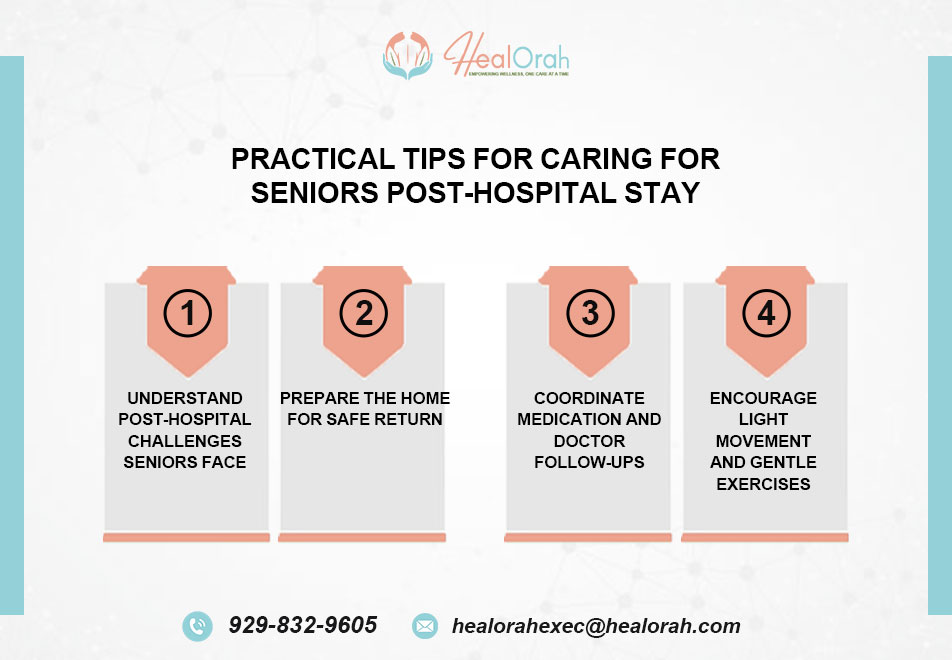
    Understand Post-Hospital Challenges Seniors Face

    Leaving the hospital can be an amazing level of feeling for many seniors. Frequently, they go back home with confusion, fatigue, a nd fear. At some stage in recovery, it is unusual to notice memory lapses, mood swings, and a sense of disconnection. These signs reflect the effects of hospital stay on elderly bodies and minds. Over time, weakness may grow if mobility is not restored early. Therefore, emotional support plays a big role in helping seniors feel safe again.

    Moreover, the pace of elderly recovery from hospital stay is often slow and unpredictable. Each day brings different needs, some physical, others mental. For this reason, families should stay alert, patient, and proactive. In short, recognizing these invisible challenges early can help prevent setbacks and promote healing.

    Prepare the Home for Safe Return

    Welcoming a senior home requires thoughtful changes to ensure safety and ease. First, install sturdy handrails along hallways and near stairs. Next, reduce clutter to avoid slips and trips, especially in common paths. Additionally, improve lighting to help with clear visibility both day and night. These small updates play a big role in senior care after hospital care, making daily routines smoother and safer.

    Moreover, if recovery seems challenging at home, considering a rehabilitation centre for elderly individuals can offer extra support. In short, a safe home environment builds confidence, supports healing, and prevents further health setbacks, making every step count in the journey to full recovery.

    Coordinate Medication and Doctor Follow-Ups

    Managing medications after discharge is vital for safe recovery. Each dose must be taken on time, as delays and mistakes can slow healing. Therefore, creating a clear medicine schedule helps prevent confusion. Along with that, regular doctor visits help track improvements and detect warning signs early. These check-ins also give families a chance to ask questions and share concerns.

    Using a pillbox and a reminder app can support daily routines. Not only does this bring peace of mind, but it also strengthens recovery outcomes. Supporting seniors after a hospital stay means staying consistent and alert. By coordinating care properly, you reduce the risk of complications and promote steady progress.

    Encourage Light Movement and Gentle Exercises

    After a long hospital stay, seniors often feel weak and stiff. That is why encouraging light movement and gentle exercises is essential. Early motion helps with circulation, improves flexibility, and prevents further complications. Instead of staying still, a short walk and light stretching can bring great results. These gentle moves support building up strength after bed rest without pushing too hard.

    Incorporating exercises after bed rest, like seated leg lifts and arm circles, maintains muscle tissue energetic and joints mobile. Furthermore, such activity boosts energy levels and supports a smoother recovery. Gradually increasing these motions improves confidence, making daily routines easier. In short, movement fosters both strength and independence.

    practical-tips-for-caring-for-seniors-post-hospital-stay

    Support Emotional and Mental Health

    Supporting emotional and mental health plays a vital role in the elderly’s recovery from hospital stay. During this stage, consistent family visits offer comfort while simple conversations spark a sense of belonging. Moreover, joyful moments like listening to music and sharing memories can lift their mood naturally. Alongside physical healing, emotional support fosters resilience.

    That is why seniors, after hospital care, should always include empathy and reassurance. Over time, trust rebuilds slowly, encouraging a positive mindset. To ease recovery, blend kindness with routine. In short, a warm, engaging atmosphere matters just as much as medicine during elderly recovery from a hospital stay.

    Monitor Progress and Adjust Care Plans

    Noticing small changes matters most when supporting seniors after a hospital stay. Look for shifts in temper, appetite, sleep, and mobility. These signals may show healing and early warning signs. Even subtle forgetfulness and fatigue deserve attention. Therefore, track daily routines with care. Adjust medicines, therapy, and eating regimen as needed.

    Talk with healthcare carriers often to live beforehand. Moreover, use simple checklists and calendars to stay organized. When improvements stall, reassess the care plan. Every change should support safety, comfort, and independence. Through steady monitoring, you build confidence and prevent setbacks one thoughtful step at a time.

    Consider Professional Help And Facilities

    Sometimes, home care may not offer enough support after a hospital stay. In such cases, exploring a rehabilitation centre for the elderly can be a wise choice. These centers offer structured therapy, medicalsupervisionn and emotional care. However, home care allows seniors to heal in a familiar environment with a relative nearby.

    However, recovery needs vary. While some regain strength quickly, others need focused attention. Therefore, choosing between home care and short-term rehab depends on each person’s condition. Importantly, personalized planning ensures safer elderly recovery from hospital stay and helps prevent readmission. Always compare care options with professional guidance.

    Why Choose Heal Orah for Post-Hospital Care

    Every recovery journey deserves expert guidance. HealOrah offers personalized care plans customized to each senior’s needs. From emotional support to nutrition and safe mobility, their trained staff ensures complete comfort. Continuous health monitoring boosts trust while compassionate care eases stress.

    Whether at home or in a care setting, they focus on supporting seniors after a hospital stay with dignity and attention.

    Book a consultation with HealOrah to create your personalized stress-relief plan.

    Conclusion

    Supporting seniors after a hospital stay requires thoughtful care, emotional warmth, and ongoing attention. Above all, focusing on connection, gentle routines, and safe surroundings helps restore strength. Moreover, building trust and ensuring consistent support create a sense of comfort.

    This thoughtful approach not only aids recovery but also strengthens emotional well-being. Consequently, choose dependable services that prioritize dignity, protection, and respect. Finally, real healing happens whilst care feels personal, consistent, and rooted in compassion.

    FAQS

    Q. How can we best support seniors after a hospital stay?

    Providing emotional support, medication management, and a safe home environment is crucial. These steps assist in improving elderly healing from hospital stays.

    Q. How does a hospital stay affect elderly sufferers physically and emotionally?

    Hospital stays often result in weak spots, confusion, and anxiety. Understanding the effects of hospital stay on the elderly helps tailor recovery support.

    Q. Are exercises after bed rest important for elderly recovery?

    Yes, light exercises help in building up strength after bed rest. They reduce stiffness and improve physical independence over time.

    Q. When should families consider a rehabilitation centre for elderly care?

    If home recovery is not safe and manageable, a rehabilitation centre for the elderly offers structured care and medical supervision.

    Q. Why is Heal Orah a trusted name for seniors after hospital care?

    Heal Orah provides expert, compassionate seniors after-hospital care with personalized recovery plans and consistent caregiver support tailored to seniors’ needs.

    Reference

  • What is Direct Primary Care and How it Works: Ultimate Guide

    What is Direct Primary Care and How it Works: Ultimate Guide

    Direct Primary Care (DPC) is a new approach to accessing healthcare services. It works like a monthly membership plan. People pay a flat monthly fee. This includes basic care, such as check-ups, lab tests, and doctor visits. The direct primary care model removes the need for health insurance. That means no co-pays and billing stress. Patients can contact their doctor by phone, text, or in-person visit at any time.

    This gives more personal care. The cost stays the same every month. It’s simple. Many people use direct primary care insurance as an additional coverage option, such as for surgery and hospital stays.

    Moreover, this care model is experiencing rapid growth. It helps people save money and time. It also builds trust between doctors and patients. DPC is great for families, workers, and small business owners. It is easy, direct, and built around the patient.

    How the Direct Primary Care Model Works: Fees & Services

    The direct primary care model is straightforward to understand. Patients pay a monthly fee to their doctor. This fee covers most basic health care needs. There is no need for health insurance for visits. You can see your doctor as often as needed. No co-pays and surprise bills are involved.

    A direct primary care practice offers Services that include check-ups, lab tests, and urgent care. Some plans also offer virtual visits. It helps people save money in the long run. This model gives more time with the doctor. Care is personal, straightforward, and stress-free. Many families now prefer this care option for everyday health needs.

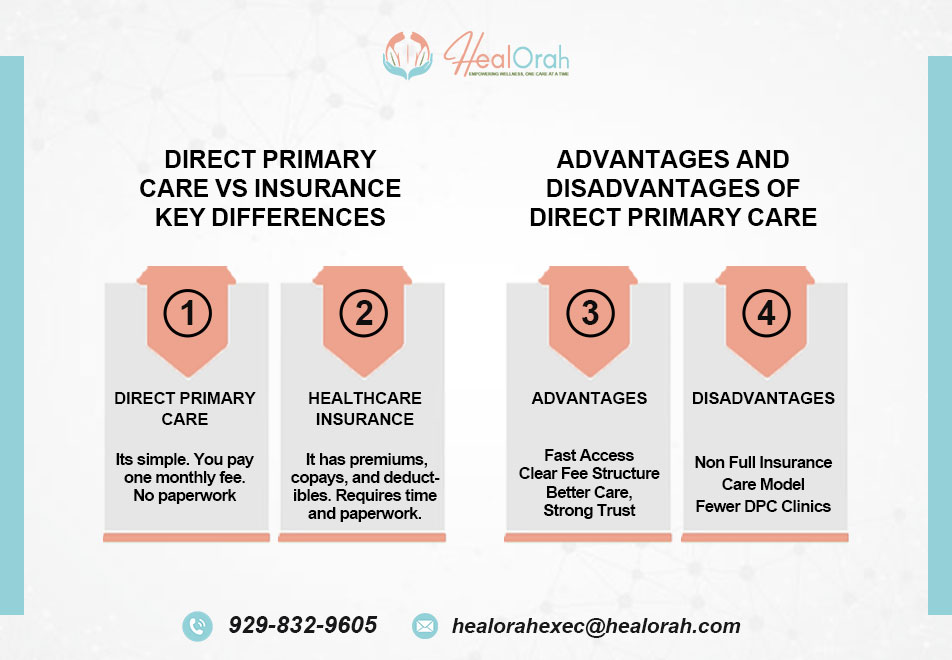
    Direct Primary Care vs Insurance: Key Differences

    Some people use direct primary care. Others use health insurance. But they work in different ways. Let’s see how they differ.

    Direct Primary Care

    Direct Primary Care is simple. You pay one monthly fee. No bills. No surprise costs. With DPC, you talk to your doctor fast. No waiting. Also, DPC doctors see fewer patients. That means more time with you. It’s best for everyday care and easy visits. You do not need to deal with paperwork or approval delays.

    Traditional Health Insurance

    Health insurance has premiums, copays, and deductibles. It often requires time and additional paperwork. Doctors see many patients, so you get less time per visit. Insurance helps in emergencies or significant medical needs. It does not replace DPC but can work beside it. Choose what fits your health needs and your budget.

    dpc-and-insurance-pros-and-cons-and-differences

    Advantages and Disadvantages of Direct Primary Care

    Direct Primary Care is a straightforward way to access healthcare. You pay a fixed monthly fee. It helps you stay healthy without surprise costs. But, like all things, there are advantages and disadvantages of direct primary care that you should consider before choosing this model.

    Advantages of Direct Primary Care

    Direct Primary Care gives fast access to your doctor. You do not need to wait for hours. Patients can call, text, or visit when they need to. Monthly fees are clear and straightforward. Most plans include basic tests and visits. Doctors have fewer patients, allowing them to spend more time with each one. This means better care and strong trust. No co-pays or surprise bills also help many families save money.

    Disadvantages of Direct Primary Care

    This care model is not full insurance. It doesn’t cover hospitals or significant health issues. You may still need other coverage. Some people may pay twice, once for DPC and again for insurance. Also, not every place has DPC clinics. If you travel frequently, it may not work well. And if you rarely visit doctors, the monthly fee may feel like a waste.

    Direct Primary Care Cost: Monthly Rates & Savings

    Most DPC clinics charge between $55 and $150 per month. The direct primary care cost often becomes more affordable through family or bundled group plans. This cost includes visits, basic laboratory tests, and additional services. It may ultimately save money.

    You avoid co-pays and surprise bills. Plus, many feel better with personal care. However, DPC may cost more if you rarely visit the doctor and still pay for insurance. Think about your health needs. For regular care and peace of mind, it might be worth it.

    Direct Primary Care Advantages: Is It Right for You?

    Direct Primary Care (DPC) provides straightforward and transparent health services. You pay a flat monthly fee with no surprise bills and hidden charges. It’s ideal for families, small business owners, and individuals with chronic health issues. You get more time with your doctor, and there’s no rush.

    Care feels personal and stress-free. Unlike insurance, you do not deal with claim forms. If you’re searching for direct primary care near you, this model offers easy access, fewer ER visits, and greater control. Consider your needs and determine if DPC aligns with your lifestyle.

    Why Choose Heal Orah for Direct Primary Care

    Heal Orah puts your health first. You get personal care without long waits. Each plan is simple and easy to follow. You pay one low monthly fee, with no surprise bills. The doctors take time to listen. You feel seen and supported every step of the way. From check-ups to care plans, it’s all straightforward and stress-free.

    Many families trust Heal Orah for their daily health needs. It’s care that fits your life, not the other way around. Choose comfort, trust, and peace of mind all in one place. Book a consultation with Heal Orah to create your personalized stress-relief plan.

    Conclusion

    Direct Primary Care is a straightforward way to access healthcare without using insurance. It offers easy access to doctors and transparent monthly fees. This model helps patients save money while getting personal care. However, it may not cover emergency or specialist services.

    Still, it works well for routine visits and long-term care. Costs usually range from $50 to $100 per month. If you’re looking for care that is easy, direct, and affordable, this could be the right fit. To get started with trusted care, explore Heal Orah, a service designed to make your health stress-free and straightforward.

    FAQS

    Q. What is Direct Primary Care?

    Direct Primary Care is a monthly membership-based healthcare model that eliminates the need for insurance. It includes unlimited visits, basic tests, and direct access to doctors.

    Q. How is Direct Primary Care different from concierge care?

    DPC has lower fees and does not bill insurance. Concierge care is more expensive and often involves insurance billing.

    Q. What are the pros and cons of Direct Primary Care?

    Pros include same-day access and no copays. Cons are limited specialist care and the need for separate insurance.

    Q. Is health insurance still required with Direct Primary Care?

    Yes, DPC covers only primary care and doesn’t include specialists or emergencies. Pairing it with a high-deductible or catastrophic plan is advised.

    Q. Typical Membership Fee for Direct Primary Care?

    Memberships usually range from $50 to $150 per month. This flat rate usually covers routine visits and fundamental laboratory tests.


  • Comparing Personal Care Home vs Nursing Home: Pros and Cons

    Comparing Personal Care Home vs Nursing Home: Pros and Cons

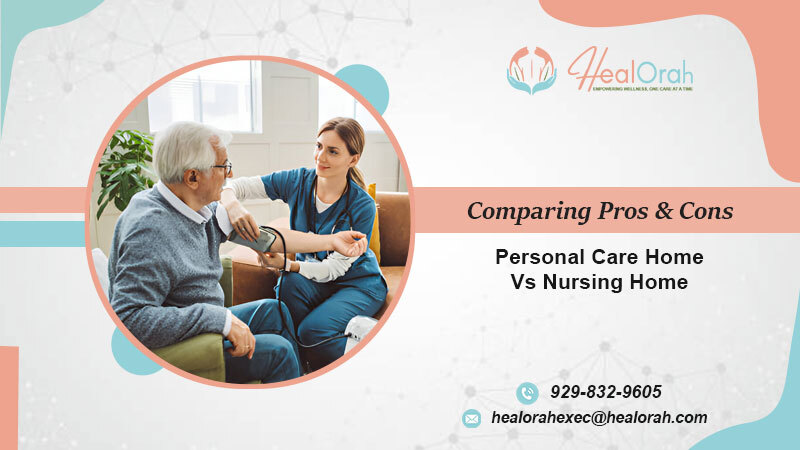
    Choosing the right place for elderly care is important. A personal care home assists individuals with everyday activities, such as eating and dressing. It feels like a small, friendly house. On the other hand, a nursing home gives more medical help. It is best suited for individuals who require ongoing medical care. Because many families face these choices, the need for different care options is growing fast.

    When we compare a Personal Care Home vs Nursing Home both have their good and bad points. Some prefer personal care homes for comfort and low cost. Others choose nursing homes for strong medical support. Knowing these differences helps families pick what suits their loved ones best. This guide will explain the pros and cons of care homes to help you decide.

    Understanding Personal Care Homes

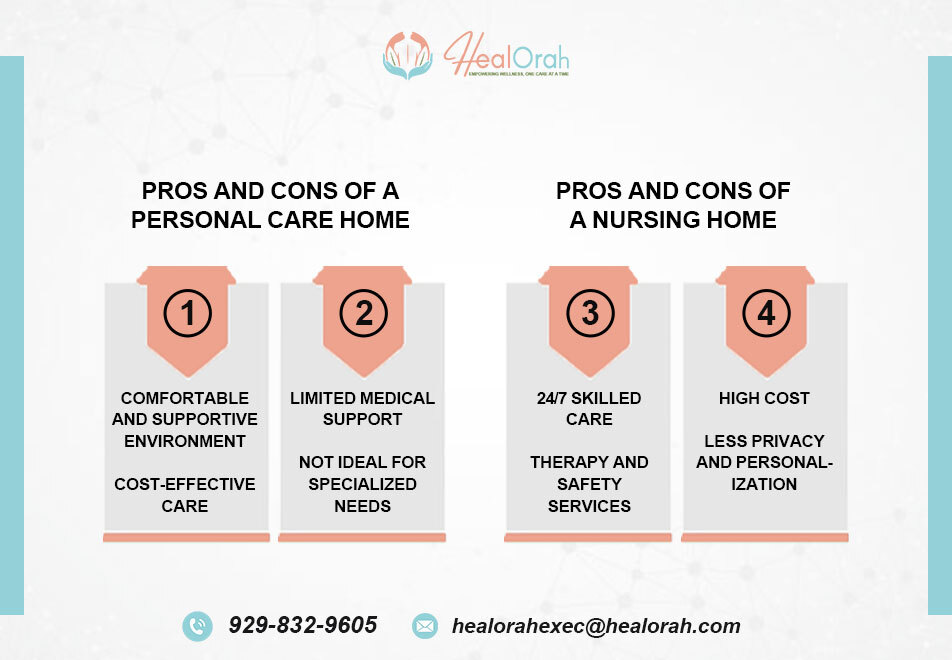
    A personal care home is a facility where individuals receive assistance with their daily activities. These homes offer services such as assistance with bathing, dressing, and meal preparation. Typically, seniors who do not require intensive medical care reside in this facility.

    However, Many families choose personal care homes because they feel more like a real home. When we compare personal care to nursing home personal care, nursing home personal care focuses more on support than medical help.

    Understanding Nursing Homes

    A nursing home is a facility that provides 24/7 medical care. It’s miles designed for older adults who need help with health issues.

    So, Many elderly people in nursing homes need specialised treatments and medications. In cities like New York City, nursing homes employ trained nurses to ensure the safety of their residents. This makes nursing homes a good choice when health needs are strong and constant.

    Pros and Cons of a Personal Care Home

    Pros

    Personal care homes feel warm and calm. These places look just like a regular house. Older people can feel safe and happy here. Most homes offer personalized care tailored to the individual’s specific needs. This makes life easy and smooth. Also, they often cost less than nursing homes. That helps families save money while still getting help.

    Cons

    However, there are some things to think about. Personal care homes do not provide strong medical help. If someone is severely ill, this care may not be sufficient. Additionally, they may not be suitable for individuals with special health needs. Although they are cosy, some may require more care than these homes can provide. Therefore, it’s wise to consider the pros and cons of care homes before making a decision.

    Pros and Cons of a Nursing Home

    Pros

    Many families choose nursing homes for full-time help. These places offer 24/7 skilled care, ensuring help is always available. Additionally, trained staff provide therapy services, including assistance with walking and talking. Not only that, but they also keep monitored environments, so your loved ones stay safe.

    Cons

    However, there are a few downsides too. First, the higher cost can be hard for some families to manage. Additionally, some individuals feel that they lose privacy since they must share a space. Compared to home help, this can feel less personal. When considering care, always compare the cost of home care with that of nursing homes to make better choices.

    Why is Home Care Better Than a Nursing Home?

    Many people like to stay at home. It feels safe and calm. They sleep in their bed. They eat when they want. Additionally, they spend more time with their family. This helps them stay happy. So, the question of why home care is better than a nursing home is a good one to ask.

    Blog-Post

    Home care brings peace. The day runs as they like. They can enjoy hobbies. Talk to loved ones anytime. Most of all, they stay in their space. That makes hearts feel light. With care and comfort, home feels best for many.

    Choosing the Right Type of Personal Care

    Picking Personal care for a loved one is not easy. First, think about how healthy they are. Some older people require assistance regularly. Others may only need help sometimes. This choice helps you know what care works best. In big cities like New York City, there are many options.


    Next, it’s a good idea to review your financial plan. Some homes cost more, some less. You also need to see what the home gives in return. Do they help with meals? Do they provide medical help? Also, check if they feel at home. Choosing the right fit saves time and worry. Some individuals select nursing homes or home healthcare services based on their budget.

    Why Choose Heal Orah for Elderly Care in NYC?

    HealOrah offers personal care with true compassion. Their team in NYC is well-trained to meet each elder’s unique needs. Because of their dedication, many families trust Heal Orah for safe and gentle support. Furthermore, they understand the importance of comfort and respect for older adults.

    Moreover, Heal Orah provides tailored services to help loved ones feel at home. Discover trusted care with Heal Orah home services. Book a consultation with Heal Orah today to create your personalised stress-relief plan. This way, your family gets the best care available in NYC.

    Conclusion

    Selecting between a personal care home and a nursing home depends on many factors. When it comes to personal care vs nursing home, the decision depends on many factors. Both offer different kinds of support for older adults. While nursing homes provide more medical assistance, personal care homes often feel more like a home away from home.

    Therefore, no single choice is suitable for every situation. It is essential to consider your loved one’s health, daily needs, and budget before making a decision.

    Moreover, comparing nursing home vs personal care home options can be confusing. That is why talking to experts can guide you well. They help find the best place that matches your family’s unique needs. Always seek professional advice to make the right decision.

    FAQS

    Q. How does a personal care home differ from a nursing home in terms of care?

    The important difference lies in the level of care furnished. Personal care homes focus on daily living assistance, while nursing homes offer around-the-clock skilled medical care.

    Q. What are the main benefits of selecting home care instead of a nursing home?

    Home care permits seniors to stay in a familiar setting, promoting emotional comfort. It also offers flexible, personalised support tailored to individual options.

    Q. How much does care in a nursing home cost in comparison to a personal care home?

    Nursing homes typically have higher costs due to their extensive range of medical services. In evaluating personal care homes, they tend to be more affordable, even as they provide basic assistance.

    Q. Who is a nursing home best suited for?

    Nursing homes are best suited for seniors who require continuous medical care and rehabilitation. They offer specialised care that personal care homes commonly cannot provide.

    Q. What must families consider when selecting between personal care homes and nursing homes?

    Families should carefully compare their cherished ones’ fitness needs and budget. Moreover, thinking about the level of care and area can help make the proper choice.

    Reference

  • The Importance of Companionship for Seniors: Key Benefits for the Elderly

    The Importance of Companionship for Seniors: Key Benefits for the Elderly

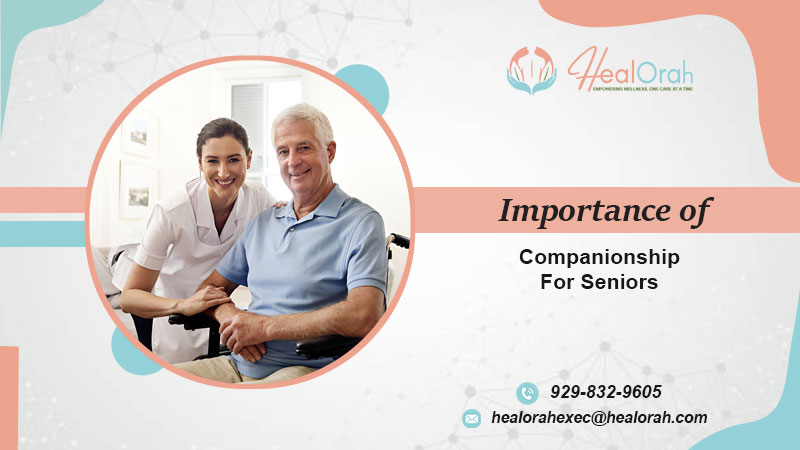
    Older people are frequently lonely at home. Many seniors live alone and miss friends. This problem is growing worse as more people add another year to their age. And gentle care makes adults happy again. When someone drops to talk and play games, older people smile more. Companionship services for seniors are not simply quality. It is needed for top fitness.

    Personal Care Services is what most families are seeking these days. This kind of support doesn’t require nurses, but it does make life better. Friends can read books, walk, or just sit and talk. The increasing demand underscores how much that care is needed these days. More families want visitors for their older relatives. In an era when people are living longer, they want friends to grow older with, and fair-weather friends are increasingly rejected.

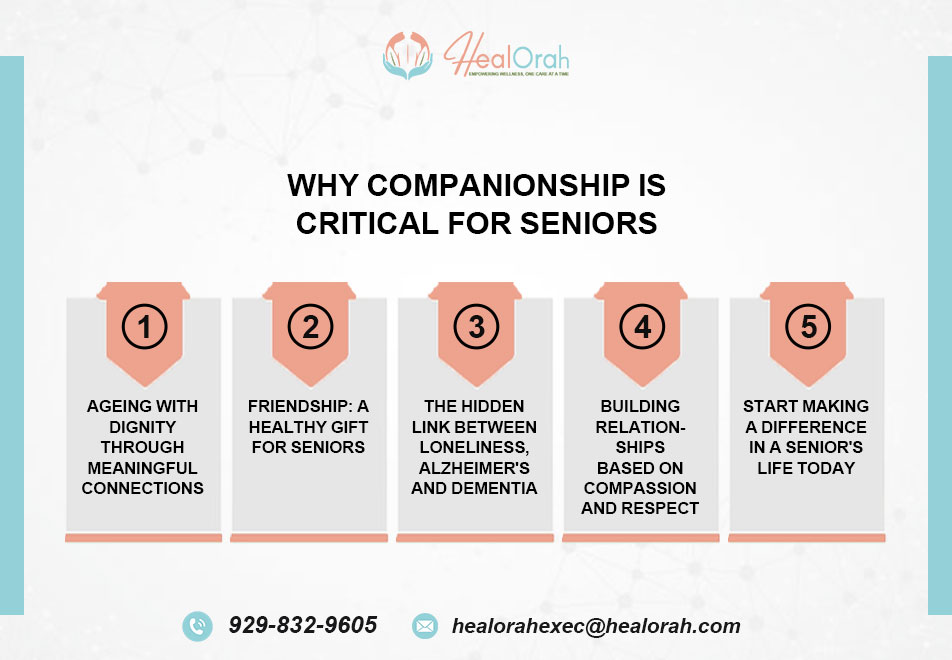
    Why Companionship is critical for Seniors

    Age comes with its perks, but feeling lonely is not one of them. Senior people in particular are void of interacting on a regular basis and lose the will to push themselves mentally. Acquaintances encourage elderly people to stimulate their brain and their body as well by counteracting the monotony of routine. Proper companionship also tends to counter the odds of depression in seniors that are brought on by feeling isolated.

    Furthermore, attentive companions can spot medical issues early. The benefits of companionship for seniors are clear quality time with others brings joy to elderly life. Therefore, companionship care provides both emotional comfort and helpful support. Seniors with normal social contacts live longer, happier lives. Indeed human connection stays crucial regardless of age.

    Ageing with Dignity Through Meaningful Connections

    Aging becomes more effortless when the elderly are in good relationships. Fostering relationships can help older adults feel valued and a sense of social worth’ in their communities. A significant number of older people suffer from loneliness which can be detrimental to their physical and mental health. Normal companionship gives growing old adults emotional guidance during hard times.

    Moreover, Compassionate care services provide both practical help and friendly conversation that brightens their day. These services enable seniors to stay independent while receiving necessary assistance.

    Furthermore, quality social interactions improve cognitive function and mood for older adults. Professional companions assist with daily tasks while creating genuine friendships that matter. Ultimately, dignified aging happens when seniors remain connected to others who truly care about their well-being.

    Friendship: A Healthy Gift for Seniors

    Friendship brings joy to older adults’ lives. Friends allow seniors to feel less isolated and more connected. Many older adults smile more when they are with companions. Besides, enjoyable conversations reduce mental stress and fretting. The minds of elders remain active when they share stories. Regular social time tends to mean better sleep and less feeling sad.

    Furthermore, Emotional ties also help to foster a feeling of membership. Simple behaviors like walking together or playing cards naturally inject some lightness of spirit. A phone call can even brighten someone’s day.

    And non-medical friendship care is miraculous. Additionally, non-medical friendship care works wonders. Volunteers who read books to seniors provide meaningful company. Neighbors who help with small tasks become valuable friends. Network site visitors who deliver pets create unique moments of happiness.

    The Hidden Link Between Loneliness, Alzheimer’s and Dementia

    Being alone isn’t just sad it may harm your brain too. New research shows loneliness might open doors to Alzheimer’s and dementia. When you feel lonely often your body makes more stress hormones. These hormones slowly damage tiny connections in your brain.

    why-companionship-is-critical-for-seniors

    Also, people who stay alone miss chances to talk and think with others. Our minds need these social chats like muscles need exercise. Lonely folks usually don’t sleep well either. Good sleep helps your brain clean out harmful waste every night.

    Lastly, long-term loneliness often leads to feeling down which can speed up memory problems as we get older.

    Building Relationships Based on Compassion and Respect

    Healthy friendships begin with kindness. The elderly need someone with good listening skills and to share joyful occasions. What’s more, compassion fosters lasting bonds that can shape the rest of a kid’s life. First, respect is about recognizing the full person, not just the age. And little acts of kindness prove that you care about the way they feel.

    Furthermore, companionship sites for seniors like SeniorMatch and SilverSingles assist older adults find new friends. These tools make it smooth to connect with These tools smooth the way for connecting with those who share a healthy interest. Last, emotional strength comes from feeling understood. Regular conversations and subtle support help to build a safe space in which trust can grow organically.

    Start Making a Difference in a Senior’s Life Today

    You can make a difference to lonely Seniors right now! Many seniors would like somebody to speak with, and someone to talk with. First, drop by your local senior middle to see the way you might assist. Also, offer to pick up Groceries or take them to the doctor. And community companionship services are in your area. Providing companionship care for seniors who need it most

    The services pair people who want to help with those who may want a friend. And small actions, even something as straightforward as weekly phone calls or sharing a meal add up.
    And, lastly, seniors tell great stories. By listening you bring them joy and gain wisdom yourself. So reach out today and make a difference in a seniors life!

    Why Choose Heal Orah for Senior Companionship

    Seniors deserve warm friendship in their golden years. HealOrah brings trusted non-medical care companions who truly care about elderly well-being. Our friendly visitors sit and chat making lonely days brighter. Moreover, we plan fun activities that keep seniors active and engaged.

    Additionally, Heal Orah provides emotional support during tough times when family can’t be there. Furthermore, our non-medical companions help with daily routines while respecting independence. Finally, we create personalized companionship care plans that grow with changing needs.

    Book a consultation with HealOrah today to create your loved one’s personalized companionship plan.

    Conclusion

    Older adults do well with consistent company. Friends also make them feel good and less lonely. And social ties lower our blood pressure and help our immune systems.

    Non-medical care also assists with day-to-day activities. On the other hand, they give you emotional support that family can’t always offer. Moreover, such relationships lead to valuable friendships that may add to the happiness of old age.

    Finally, let’s appreciate the friendship of seniors. So please let’s not forget that connection is the medicine our cherished old people need. But most of all, a little camaraderie to get us through the golden years happier and healthier.

    FAQS

    Q. Why is companionship care more important for seniors living alone?

    Seniors living by themselves face better dangers of loneliness and fitness problems. Regular companionship gives them someone to talk to, helps with daily tasks, and quickly spots health issues before they get worse.

    Q. Can non-medical companionship reduce the risk of dementia in elderly people?

    Yes, it can help. Regular social chats, brain games and shared activities keep seniors’ minds active. This mental workout may slow memory loss and decrease dementia chances over time.

    Q. How does loneliness affect the mental health of older adults?

    Loneliness hurts older adults deeply. It often leads to sadness, worry, and poor sleep. Many lonely seniors lose interest in hobbies and meals which makes their health problems worse.

    Q. What are the top benefits of emotional support for seniors?

    Emotional support boosts seniors’ mood and health. It helps them feel valued, reduces stress, improves sleep, and encourages better self-care. Supported seniors often live longer, happier lives.

    Q. How can families find trusted companionship services for aging parents?

    Start with local senior centers or Area Agencies on Aging. Check online reviews ask for caregiver background checks, and talk to other families. Make sure the service matches your parent’s needs and personality.

    Reference

    National Institute on Aging Social isolation and loneliness in older people pose health risks.
    Centers for Disorder Control and Prevention (CDC) Loneliness and Social Isolation
    AARP The effect of Social Isolation on Seniors’ fitness and properly-being

  • Top Essential Tips for Effective Home Care Services

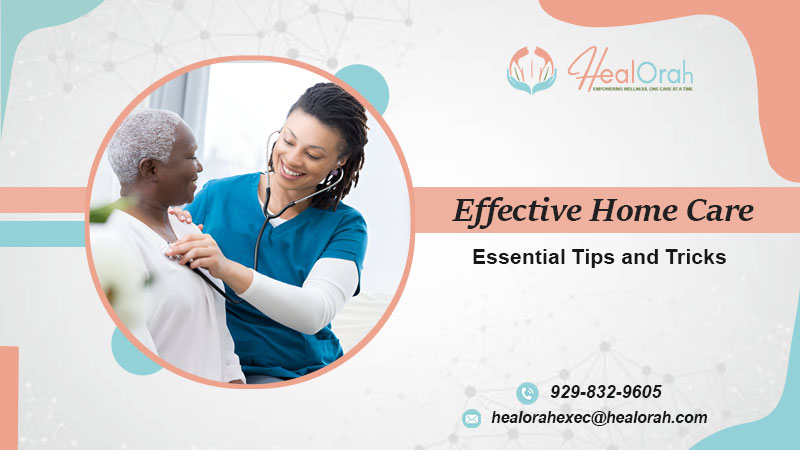
    Top Essential Tips for Effective Home Care Services

    More people want home care now. Good home care helps unwell and elderly people stay in their own homes. Home care safety and the cost-effectiveness of home health care Are Issues a lot today. First, make a clear plan. Write down what help the person needs every day.

    Next, train helpers properly. Good training means enhanced medical care in home settings. Also, I often communicate with my own family. When everyone shares news, care gets improved. Always check for dangers in the house. Fix loose rugs and bad lights fast. Keep the medicine in order. Use boxes with days marked to avoid mix-ups.

    Let people do what they can. Help only when they truly need it. Rest is key for helpers too. Take breaks so you don’t get too weary. Buy the effective home care services that you need. This saves money and keeps care costs down. Be kind and listen well. Sometimes just clutching a hand means so much. Watch for small health changes. Tell the doctor about new problems right away.

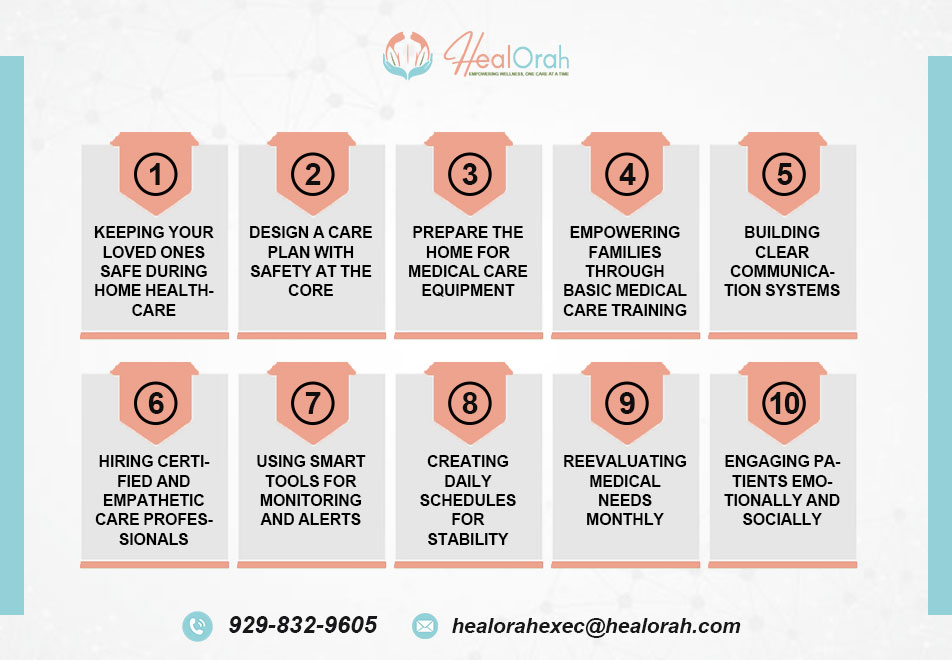
    Keeping Your Loved Ones Safe During Home Healthcare

    Start with a Professional Restorative Wellness
    First, doctors need to check your family member carefully. They look at all health problems to make a good plan. This step helps find what kind of help your loved one needs at home.

    Later, trained helpers can visit your home to give the right care. These helpers know how to give medicine check health signs, and help with daily tasks. Effective home care starts with knowing exactly what your family member needs to stay healthy. Also, using safety tips for home health care workers keeps everyone safe.

    Design a Care Plan with Safety at the Core

    Every person needs a special care plan. Safety in home health care means watching out for things that might cause falls or other problems. A good plan shows everyone what to do each day.

    Moreover, stopping accidents before they happen is very important. Helpers learn what makes each person safe or unsafe. Patient-specific protocols help everyone know what to watch for and how to respond quickly when needed.

    Prepare the Home for Medical Care Equipment.

    Your home needs enough room for any medical machines. Keeping paths clear helps avoid trips and falls. Additionally, all equipment areas must stay clean to prevent germs.

    Furthermore, safe equipment placement makes care easier for everyone. Protection in home health care means thinking about where to put beds, oxygen tanks, and wheelchairs. A clean well-organized space helps your loved one feel better and heal faster.

    Empowering Families Through Basic Medical Care Training

    Teaching your own family simple medical care creates a strong help system for the one that you love. Simple skills like giving medication effectively and cleaning wounds properly make a big difference. Those abilities assist you in saving small problems from turning into emergencies.

    When family members learn to use medical equipment, they experience more confidence in helping. This training builds trust among the patient and everyone involved in their care. Moreover, it ensures care continues smoothly even when professional caregivers aren’t present.

    Building Clear Communication Systems

    Good communication forms the backbone of effective home care. Many fundamental guides miss this important step. Creating a system where doctors, family members, and caregivers share information prevents mistakes.

    Furthermore, clear communication helps everyone understand the care plan. Using simple tools like shared calendars or care journals maintains each person’s knowledge. Additionally, regular family meetings help address concerns before they grow to be problems.

    Hiring Certified and Empathetic Care Professionals

    Finding the right care professionals makes all the difference in home healthcare. Look for certified caregivers with proper training and proper compassion. Their knowledge ensures your loved one receives proper medical attention.

    Besides certification tests for caregivers who join emotionally with patients. Safety training is also essential for home health workers. They should know how to prevent falls, handle emergencies, and hold clean surroundings.

    Using Smart Tools for Monitoring and Alerts

    Modern technology provides excellent tools for home healthcare services today. These include wearable smart gadgets for tracking movements and vital signs. Moreover, the tablets and smart dispensers can notify patients of proper medication schedule adherence.

    essentials-things-for-effective-home-care

    Such monitoring systems are often not more expensive than repeated visits to the health institution. These systems allow the physician to check on the sufferer remotely and without the need for travel. This gives a sense of independence to patients while receiving the required medical attention.

    Creating Daily Schedules for Stability

    Patients greatly benefit from the use of consistent routines as it provides comfort and stability. Every person is made aware of what is happening and when. This is especially beneficial for patients suffering from memory issues and people recovering from surgery.

    Standard practices such as setting a specific schedule for meals and administering medication lower anxiety. Routine features that are predictable also help patients notice new changes to their condition. Hence, patients and caregivers gain value from this organized approach.

    Reevaluating Medical Needs Monthly

    Healthcare requirements shift as time progresses. Clients blast through these well-planned hurdles during the monthly checkups with ease. This demonstrates flexible healthcare strategies.

    While planning these reviews, don’t forget to check if the medications are having the desired effect. Evaluating all Checkpoints for observing improved signs and new areas of concern is essential. Adjustments to the care plan should always follow. These points directly connect to effective persistent home care.

    Engaging Patients Emotionally and Socially

    Talking with patients builds trust and comfort. Friendly chats help people feel less alone during medical care. Simple questions about family or hobbies can brighten a patient’s day. Group activities also bring joy to those in treatment.

    Remember, healing involves both body and mind. Medical care works better when patients feel happy and connected. Moreover, kind words and warm smiles are powerful medicines that doctors and nurses can give freely.

    Why Families Choose to Heal Orah for Trusted Home Care

    Apart from treating patients, It’s important to balance medical care with meaningful and fun activities. Creating a schedule that includes family and friends during patient care visits aids in achieving the intended goals. Ultimately, comprehensive home care caters to both the emotional and physical aspects of healing.

    Importantly, medical home care support from Heal Orah means your family member stays comfortable at home while getting proper care. Many people choose their home care assistance because it feels personal and kind. Finally, Heal Orah teaches safety tips for home healthcare workers to ensure the best care possible. Book a consultation with Heal Orah to create your personalized stress-relief plan today!

    Conclusion

    Maintaining your car at home reduces money and time. Regular cleaning keeps your vehicle looking fantastic for longer. Easy checks like tire pressure help prevent big troubles later. Many people find satisfaction in caring for their cars.

    Moreover, studying fundamental maintenance teaches valuable skills. Books and online videos make studying easy for beginners. Always remember safety comes first when working under your vehicle.

    Finally, professional mechanics must manage complex repairs. Their expertise ensures proper fixing of serious troubles. Your Effective Home Car care routine will make driving safer and more enjoyable for years.

    FAQS

    Q. What makes home care a safe and effective option for medical patients?

    Home care keeps patients in familiar spaces, lowering stress levels. Regular one-on-one attention from caregivers catches problems early. Modern medical tools now work well in homes, making treatments safer outside hospitals.

    Q. How can families evaluate the safety of home health care services?

    Check caregiver training certificates and company reviews online. Ask about emergency plans and backup staff options. Visit the agency office to meet managers. Request references from current clients using their services.

    Q. What are the key benefits of choosing home care over hospital treatment for chronic situations?

    Patients heal quicker in at-ease surroundings with cherished ones close by. Lower infection risks exist at home than in hospitals. Personalized care schedules follow patient needs rather than hospital routines. Cost savings add up quickly.

    Q. How do trained caregivers ensure medical safety in home care environments?

    Caregivers follow detailed care plans created by doctors. They check vital signs regularly and report changes quickly. Safety inspections remove trip hazards in the home. Proper medicine management prevents dangerous mistakes.

    Q. What factors determine the cost-effectiveness of medical home care

    Insurance coverage affects out-of-pocket expenses extensively. Service level needs vary based on the patient’s condition. Location impacts travel costs for providers. The length of care required changes the total price over time.

    Reference

    Mayo Clinic – In-Home Medical Care
    NIH – Best Practices for Home Health Safety
    CDC – Home Health Worker Safety